Clinical Laboratory Improvement Amendments
CLIA compliance for the physician office laboratory.
CLIA-88 governs all laboratory testing performed on humans in the United States. We establish which certificate your testing requires, build the procedure and quality manuals to match, and prepare your laboratory for survey.
The framework
One set of rules, four levels of obligation.
The Clinical Laboratory Improvement Amendments of 1988 established federal quality standards for all laboratory testing performed on human specimens for the purpose of diagnosis, prevention or treatment of disease, or assessment of health. The scope is deliberately broad: if you run a test on a patient specimen, CLIA applies, whether you have a laboratory department or a single analyser in a treatment room.
What differs is the weight of the obligation, and that is set by the complexity of the tests you perform. Testing complexity is categorised by the FDA. Your certificate type follows from the highest-complexity test in your test menu, and personnel, quality control, proficiency testing and inspection requirements follow from that.
The most common and most expensive mistake we see is a practice adding a single moderate complexity analyser while still operating under a certificate of waiver. That is a certificate mismatch, and it is one of the fastest routes to a laboratory being shut down.
Complexity levels
The four regulatory levels.
Each level carries its own personnel, quality control, proficiency testing and inspection requirements.
- Waived tests
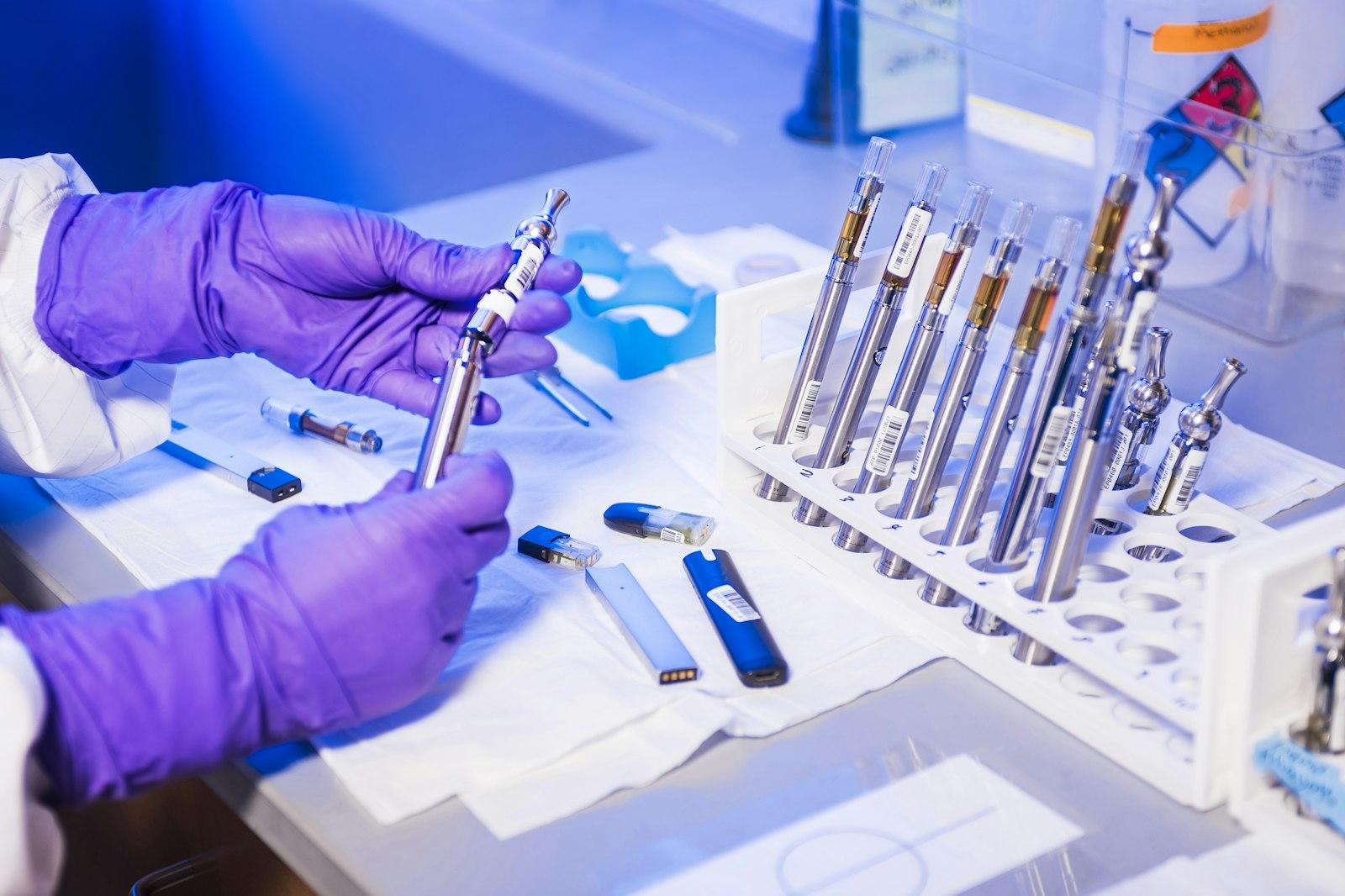
- Simple tests cleared by the FDA for home use, or employing methodologies so simple and accurate that the likelihood of erroneous results is negligible. Typical examples include dipstick urinalysis, fecal occult blood, rapid strep, urine pregnancy and certain glucose monitoring devices. A certificate of waiver is required, and manufacturer instructions must be followed exactly — deviating from the package insert converts a waived test into a high complexity one.
- Provider-performed microscopy
- A defined subset of microscopic examinations personally performed by a physician, mid-level practitioner under physician supervision, or dentist during a patient visit, on specimens that are labile or not readily transportable. Includes wet mounts, KOH preparations, urine sediment, pinworm and fern tests. Requires a PPM certificate and carries the personnel standards of moderate complexity for the practitioner performing the test.
- Moderate complexity
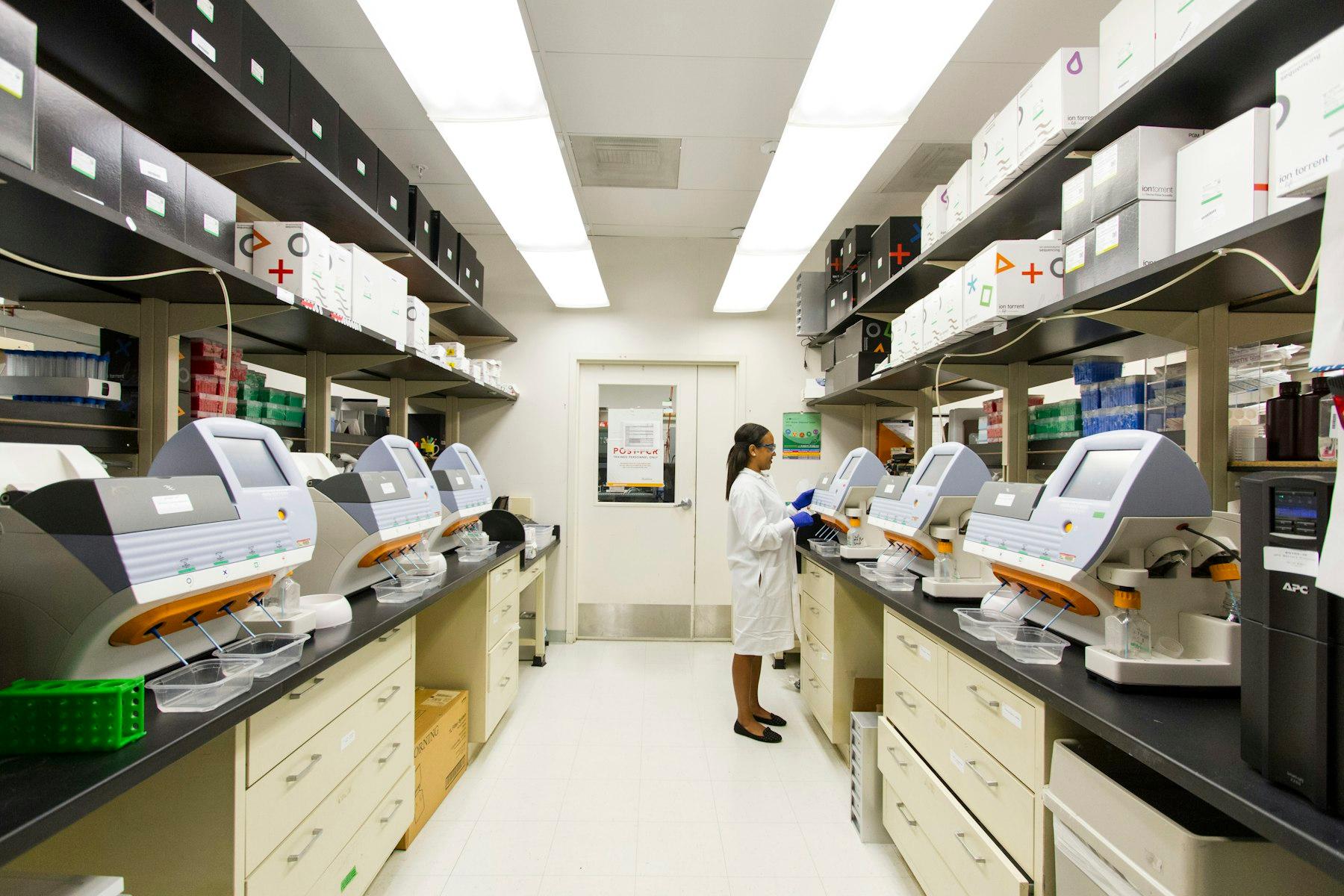
- The largest category, covering most automated chemistry and hematology analysers found in a physician office laboratory. Requires a certificate of compliance or accreditation, a qualified laboratory director, technical consultant, clinical consultant and testing personnel, two levels of quality control each day of testing unless an approved individualised quality control plan is in place, biannual proficiency testing for regulated analytes, and biennial inspection.
- High complexity
- Specialised testing including most anatomic pathology, cytogenetics, molecular diagnostics and manual cell differentials. Carries the most demanding personnel qualifications, method validation requirements including establishment of accuracy, precision, analytical sensitivity and specificity and reportable range, and a competency assessment programme covering six defined elements.
A certificate mismatch is the fastest route to a laboratory being shut down.
Common failures
Where physician office laboratories get into trouble.
Certificate mismatch
A new analyser is installed and the test menu quietly moves beyond what the certificate permits. Update the certificate before the instrument goes live, not after a survey.
Missing QC records
Two levels of control each day of patient testing, with documented review, corrective action for out-of-range results, and evidence that patient results were held pending resolution.
Outdated procedure manual
Procedures must match current manufacturer inserts and be reviewed and signed by the laboratory director. Superseded procedures are retained for two years after being withdrawn.
Competency gaps
Competency assessed semi-annually during the first year, then annually, covering all six required elements. Missing this is among the most frequently cited deficiencies.
Proficiency testing errors
PT samples must be handled exactly like patient specimens. Referring a PT sample to another laboratory, or discussing results before the deadline, can trigger sanctions including certificate revocation.
No temperature logs
Refrigerator, freezer, room and incubator temperatures recorded each day of use, with defined action limits and documented response to excursions.
A CLIA sanction can suspend your ability to bill for laboratory services and, in the worst case, shut the laboratory. It is entirely avoidable with the right documentation.
Have your laboratory reviewed before a surveyor does.
A mock survey identifies certificate, personnel, quality control and documentation gaps while you still have time to correct them.