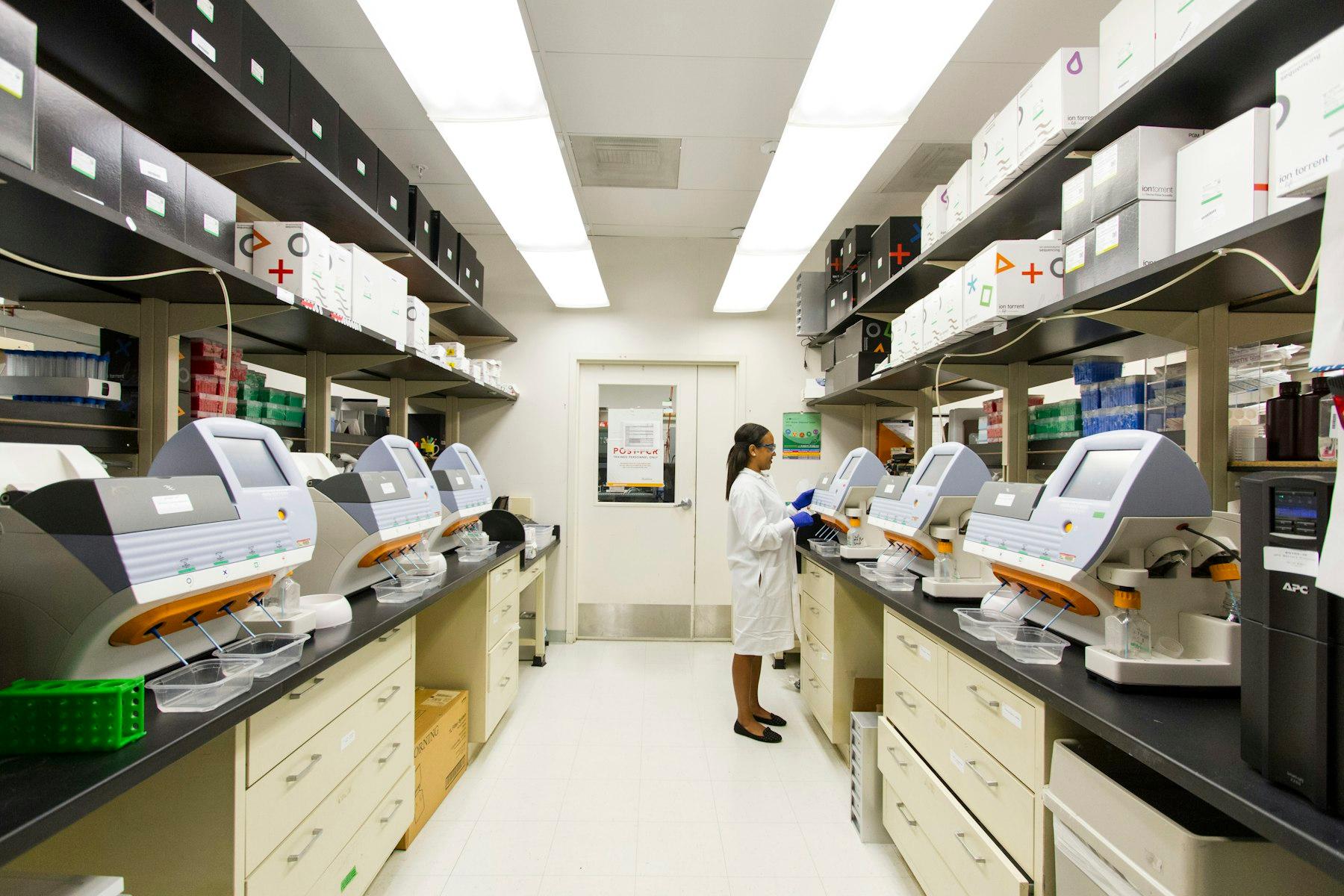
Laboratory consulting
CLIA laboratory services.
Start-up and licensing, custom procedure manuals, quality control and quality assurance protocols, and mock inspections that prepare your laboratory for COLA, CAP or CMS survey.
Services
What we do for physician office laboratories.
Start-up and licensing
Determining the correct certificate type for your intended test menu, completing CMS-116 and state applications, establishing laboratory director and consultant arrangements, planning physical layout and workflow, and coordinating instrument installation and initial validation.
Custom procedure manuals
Standard operating procedures for every test on your menu, written to the current manufacturer insert and structured to CLSI convention: principle, specimen requirements, reagents, calibration, quality control, procedure, calculations, reference intervals, critical values, limitations and references. Director review and signature blocks included.
Quality control protocols
Establishment of control ranges, daily QC schedules, Levey-Jennings charting and Westgard rule application, corrective action documentation, calibration verification, reportable range verification, and individualised quality control plans where you elect that route.
Quality assessment programme
The ongoing QA programme CLIA requires: pre-analytic, analytic and post-analytic systems assessment, complaint investigation, proficiency testing review, personnel competency, comparison of test results across instruments, and documented annual review by the laboratory director.
Mock inspection
A full survey rehearsal using the same checklists a surveyor works from. You receive a written deficiency list with the citation behind each finding and a plan of correction, so the real survey holds no surprises.
Personnel and competency
Verification that director, consultant and testing personnel qualifications meet the standard for your complexity level, plus a competency assessment programme covering all six required elements with the forms to run it.
Survey readiness
What we verify before your survey.
- Certificate type matches every test on the current menu
- Laboratory director, technical and clinical consultant qualifications documented
- Testing personnel qualifications on file for each individual
- Procedure manual current, complete and signed by the director
- Superseded procedures retained with dates of use
- Quality control run and documented for each day of patient testing
- Out-of-control events investigated with corrective action recorded
- Calibration and calibration verification performed at required intervals
- Proficiency testing enrolled for all regulated analytes, results reviewed and signed
- Alternative assessment documented for non-regulated analytes
- Temperature logs complete with action limits and documented excursion response
- Reagent and control lot numbers, receipt dates and expiry tracked
- Competency assessment complete for all six elements and all personnel
- Test requisition, report format and critical value notification log compliant
- Specimen rejection criteria defined and rejections logged
- Annual quality assessment review completed and signed
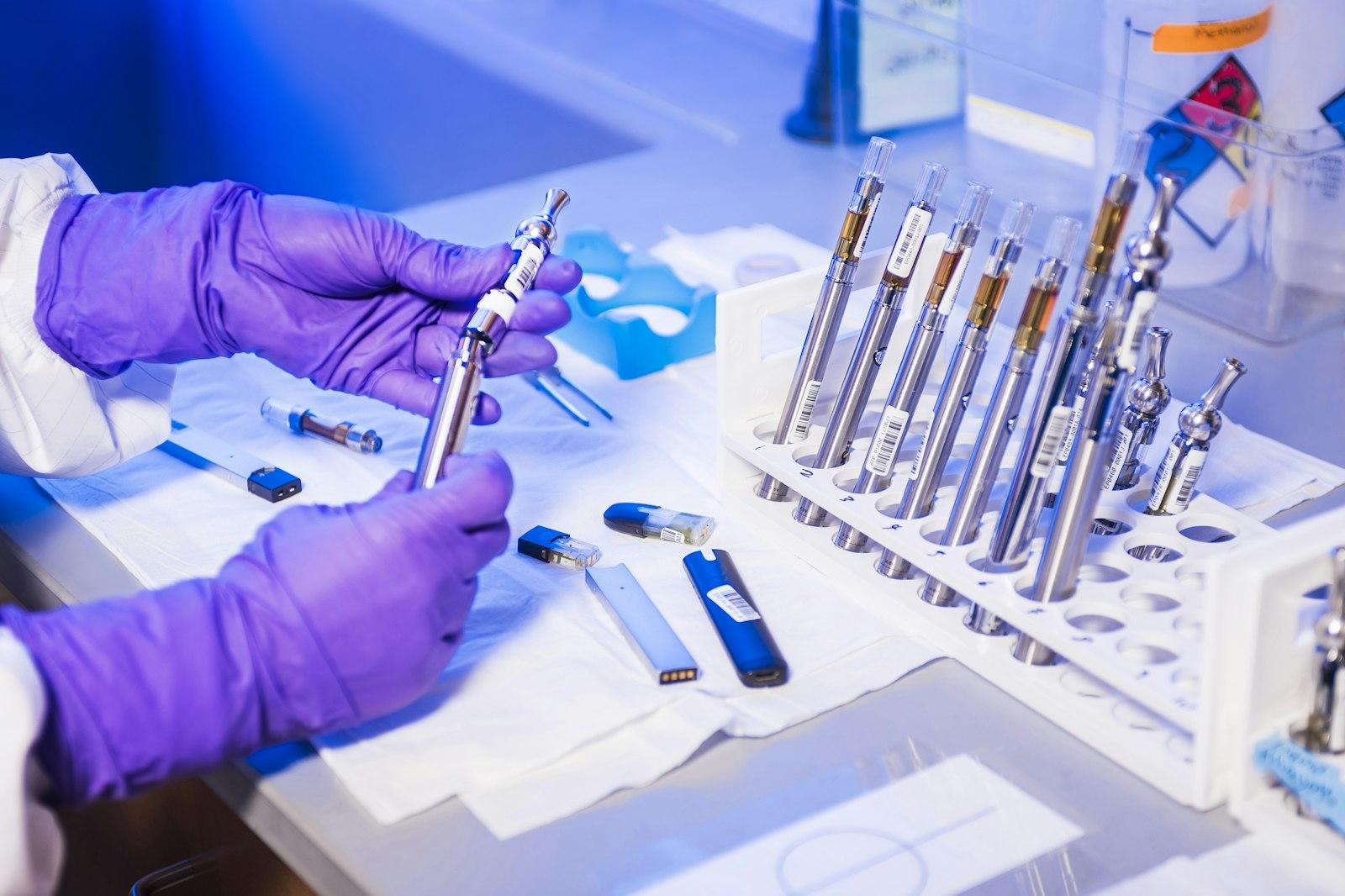
Engagement
How a laboratory engagement runs.
- 01
Scope review
We review your test menu, instruments, certificate and personnel to establish exactly which requirements apply to you.
- 02
Gap analysis
An on-site or remote review producing a written deficiency list, each item tied to the specific CLIA requirement behind it.
- 03
Build and remediate
Procedure manuals, QC protocols and the quality assessment programme are written and implemented alongside your staff.
- 04
Mock survey
A full rehearsal against surveyor checklists, with a plan of correction for anything outstanding before the real inspection.
Set up, correct or defend your laboratory.
Whether you are opening a new physician office laboratory or responding to a deficiency notice, start with a conversation.