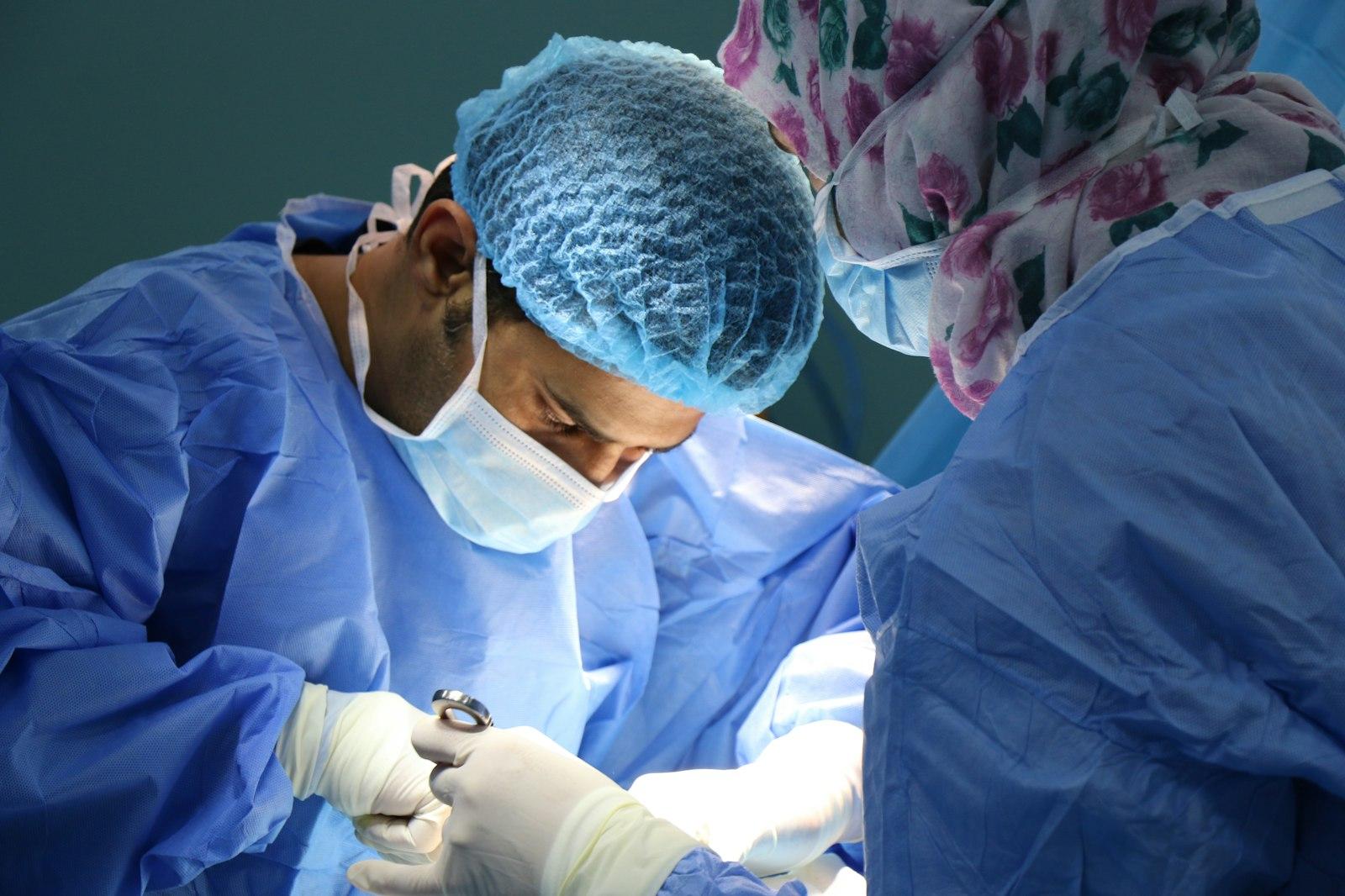
Employee health
Employee health and safety.
The injuries that actually take healthcare staff out of work: needlesticks, cumulative strain from repetitive positioning, and exposures that were preventable with the right device or the right posture.
Programme areas
What an employee health programme covers.
- Needlestick and sharps injury prevention
- Selection and evaluation of safer engineered sharps devices with documented input from frontline staff who use them, correct activation technique, sharps container placement and fill discipline, and elimination of recapping except where no alternative is feasible.
- Post-exposure protocol
- A written procedure staff can follow under stress: immediate first aid, who to notify, where to go, source patient testing consent, baseline testing and the narrow window in which post-exposure prophylaxis is effective. Arrangements made in advance with a named provider, not improvised at the time.
- Hepatitis B vaccination
- The series offered at no cost within ten working days of assignment to any employee with occupational exposure, post-vaccination serologic testing where indicated, a signed declination on the required wording where refused, and the standing option to accept later.
- Tuberculosis screening
- A facility risk assessment, baseline and periodic screening appropriate to that risk classification, and the respiratory protection programme that follows where respirators are required.
- Ergonomics for sonographers
- Sustained abduction, sustained grip force and awkward neck posture make sonography one of the highest-risk roles in outpatient care. We cover table and monitor height, transducer grip and cable support, scanning arm support, and early symptom reporting before injury becomes chronic.
- Ergonomics in dentistry
- Static seated posture, forward head position, wrist deviation during instrumentation and the loading effects of magnification. Covers operatory layout, patient positioning, indirect vision technique and microbreak scheduling.
- Patient handling
- Transfer technique, assistive equipment, and assessment before a transfer is attempted. Manual handling injuries are consistently among the leading causes of lost workdays in healthcare.
- Latex and chemical sensitivity
- Identification of sensitised staff, alternatives to powdered latex products, glove selection by task, and management of dermatitis arising from frequent hand hygiene.
A single sharps injury costs far more in testing, prophylaxis, lost time and anxiety than the safer device that would have prevented it.
Protect the people who run your practice.
We build the employee health programme and train the staff who depend on it.